On being found
How couples actually search for the people who will make their day, and the quiet work that puts you in their path.
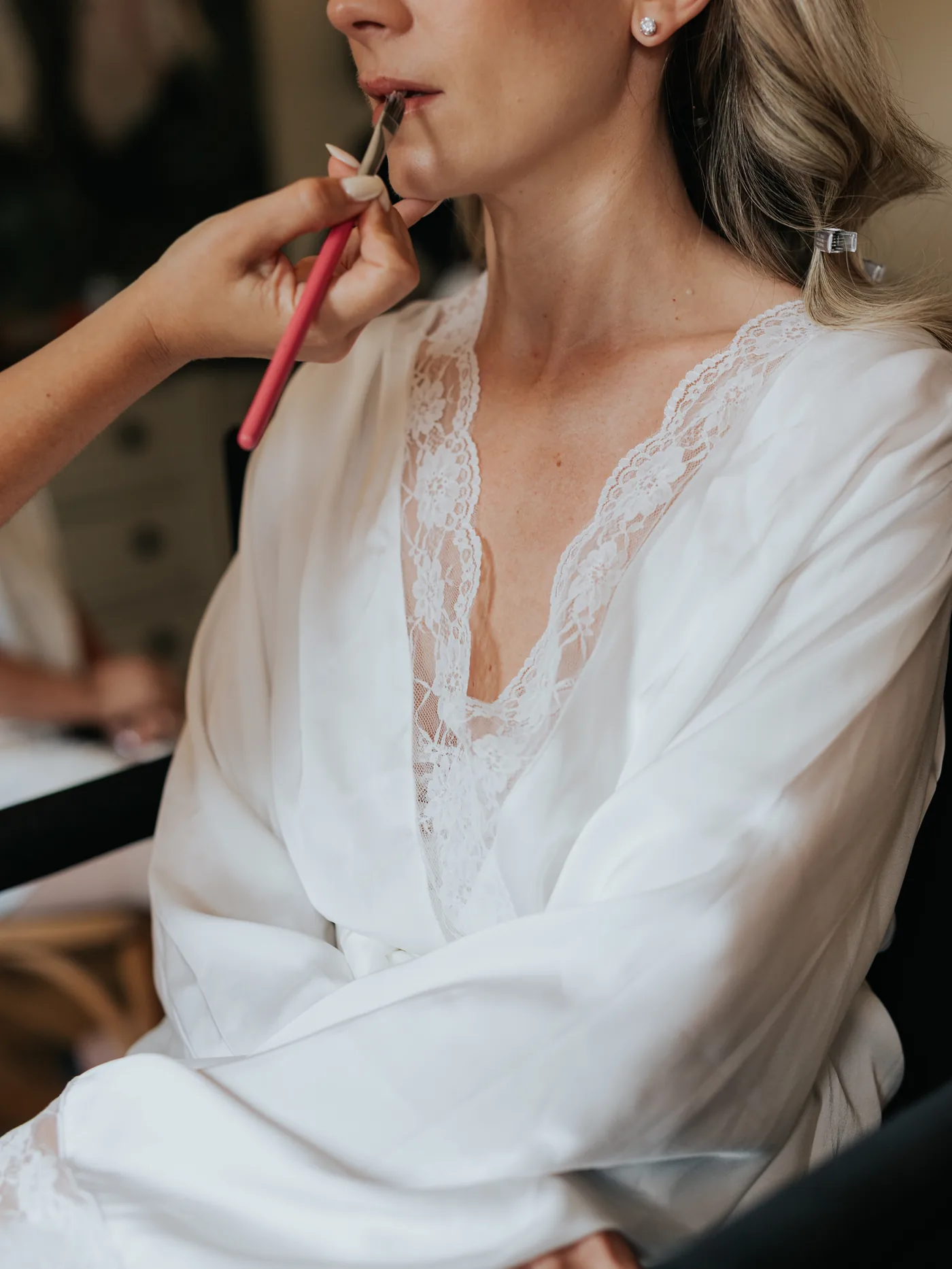
Here is something I did not properly understand until I had spent a year on the other side of it, as a bride rather than a business owner. Couples do not search the way you think they do.
You probably picture them typing your business name into Google, finding your lovely site and swooning. What actually happens is that they have never heard of you, so they cannot type your name, because they do not know it yet. That is rather the whole point of being found.
What they type instead is a place, a craft, and sometimes a feeling. "Wedding photographer near Frome." "Florist for a marquee wedding." "Outdoor celebrant Somerset." I typed a hundred versions of exactly these. These are not idle searches. These are couples with a venue booked and a to-do list as long as your arm, actively hunting for someone to hire right now. If your website is not answering those searches, you are invisible to precisely the people most ready to pay you.
What couples actually type
Local, specific, and full of intent. Not "wedding flowers" floating in the abstract, but "wedding florist Bath" or "wedding florist near Babington House". Not "photographer", but "documentary wedding photographer Somerset", or the name of the venue they booked last week with the word photographer stuck on the end. The more specific the search, the closer that couple is to booking, and the more it matters that you turn up.
You do not have to guess at any of this. Sit down and write out the ten sentences your dream couple might type to find someone exactly like you. That list is your map. Everything else is just making sure your website is holding the map the right way up.
Why venue names are quietly magic
This is the one I wish more suppliers understood. A couple who has booked their venue will very often go looking for suppliers who already know it. It reassures them enormously. It means you have parked in that car park, met the coordinator, know where the light falls at six and which corner floods when it rains.
So if you have worked somewhere, say so. Plainly, with photographs, in actual words a search engine can read. "A summer wedding at Euridge Manor" is worth more to you than a hundred posts that could have been taken anywhere. It tells couples you belong there. It tells Google the very same thing.
The quiet plumbing nobody sees
Some of being found is unglamorous behind-the-scenes work, and I will not pretend otherwise. Page titles that actually say what a page is, instead of "Home". Descriptions that read like a sentence a human wrote. Images that load quickly, because a slow site is one couples leave before it has finished turning up. Words that are genuinely words, not text baked into a picture that Google cannot read.
None of it is thrilling. All of it adds up. It is the difference between a website that sits there looking pretty and one that quietly goes out and brings you work while you are at a wedding on a Saturday.
The thing that beats all of it
Here is the part that annoys anyone hoping for a clever trick. The single strongest thing you can do to be found is to be recommended by other people. When the venues, planners and photographers you work with credit you and link to you from their own sites, that does more for you than almost anything you can manage alone. Search engines read those links as votes, and votes from respected wedding businesses are the best kind there is.
Which means generosity is a strategy. Credit your suppliers properly and a good number will credit you back. Recommend freely. Be the florist the planners actually enjoy working with and watch what it does for you, in the human way and the algorithm way at once. I put every single one of our wedding suppliers on our own site, with links, because they earned it. It also happens to be one of the smartest things a small wedding business can do.
The short version
Couples search by place, craft and feeling, not by your name. Build your website so it answers those searches, name the venues you have worked at, do the boring technical bits properly, and be the kind of supplier other suppliers want to recommend. Do that and being found stops being a mystery and starts being something you have quietly engineered.
And if that sounds like rather a lot to hold in your head while also running a business and, you know, actually turning up to the weddings, that is more or less the point of having someone build it into your site for you.
Hannah Schumacher Studio designs and cares for websites for a small number of wedding suppliers each season. Enquire